laisser un message
Si vous êtes intéressé par nos produits et souhaitez en savoir plus, veuillez laisser un message ici, nous vous répondrons dès que possible.
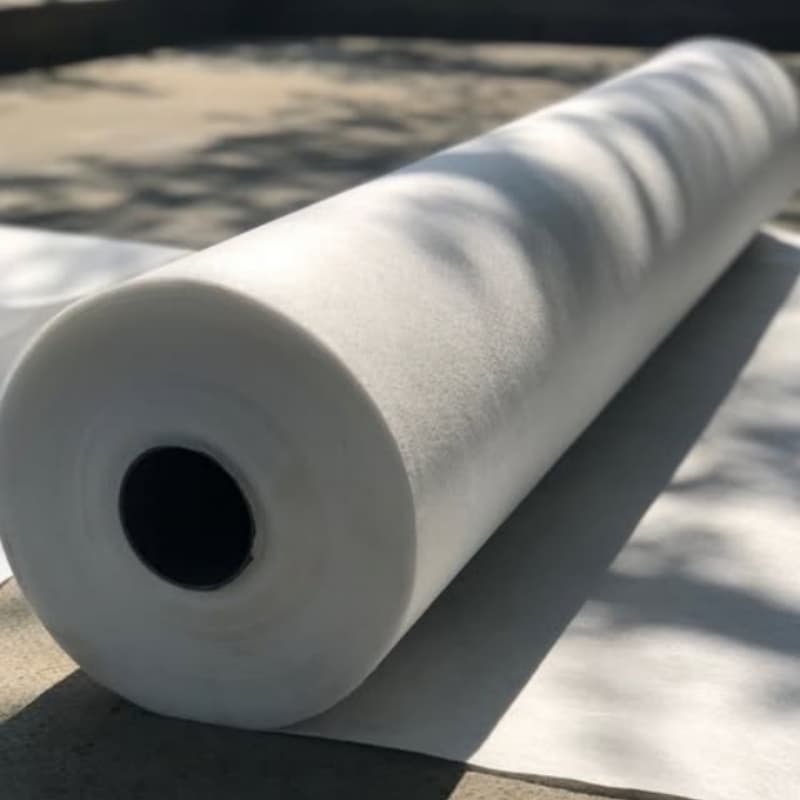
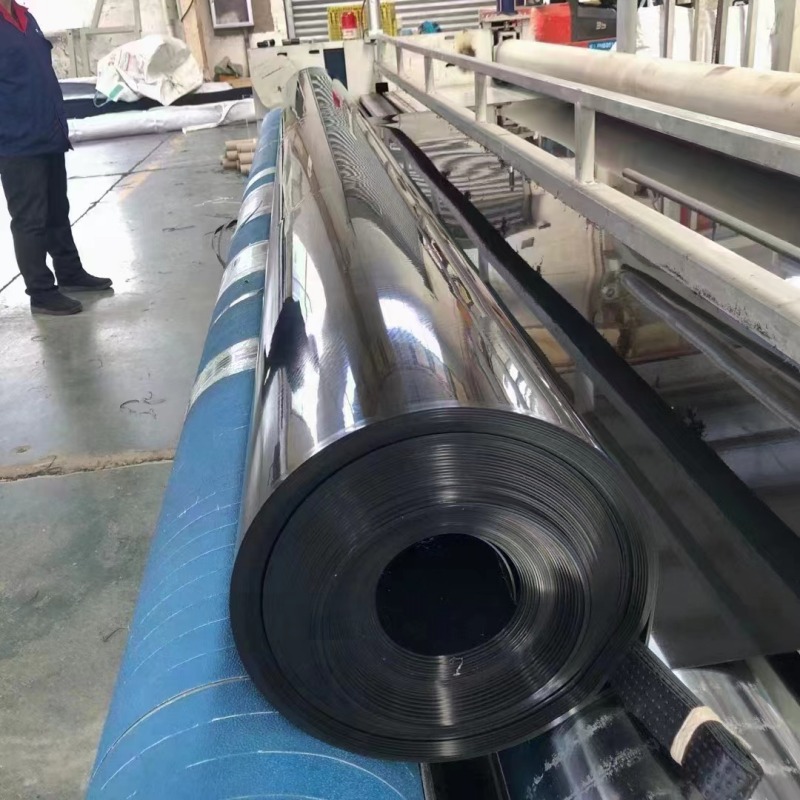
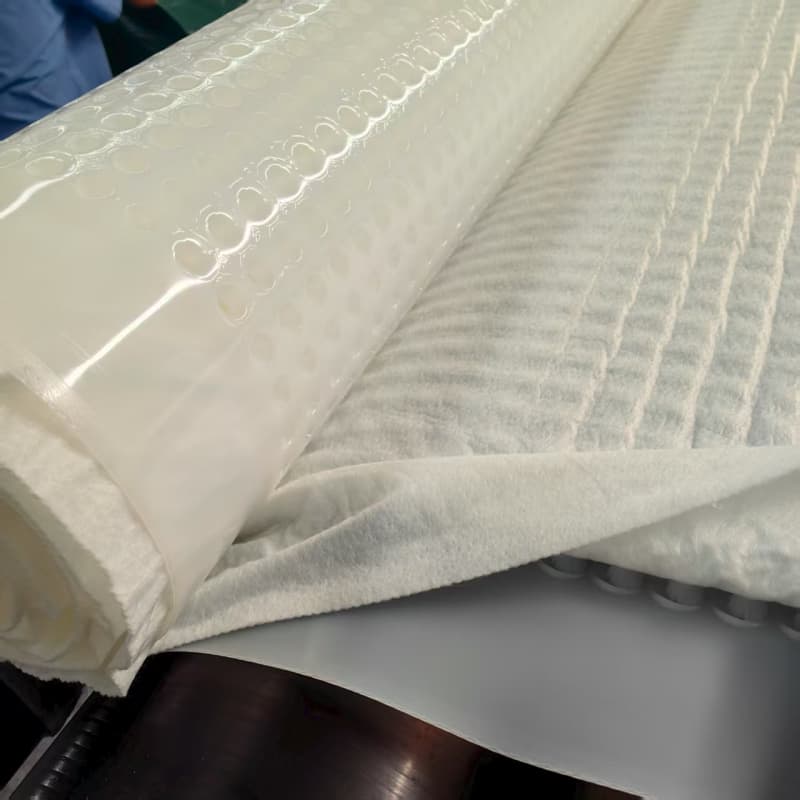
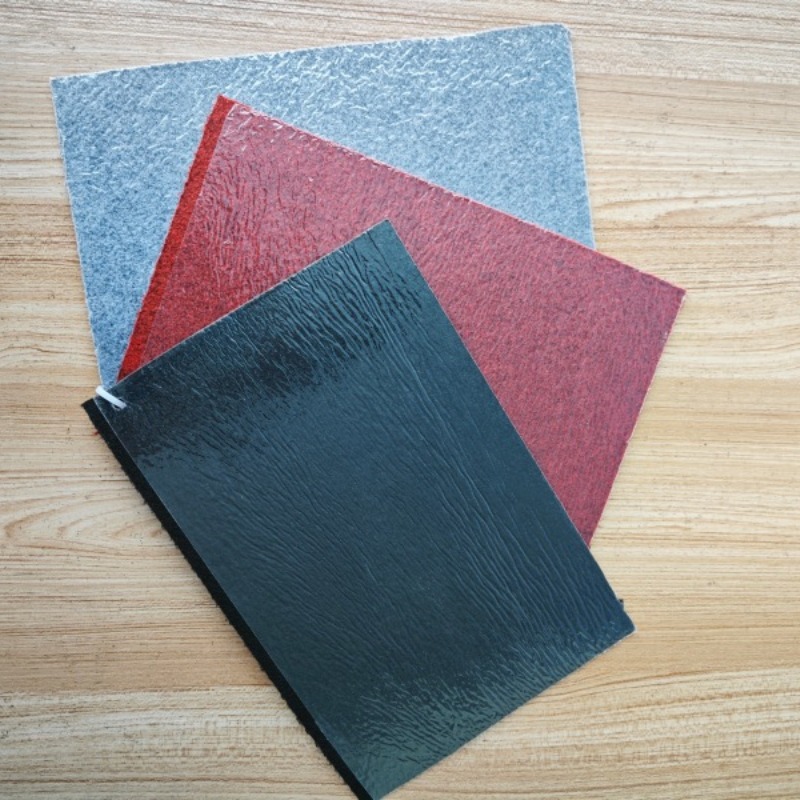
Geosynthetic Clay Liner is a new type of geosynthetic material. Using natural sodium based bentonite as the material, bentonite particles are fixed between two layers of geotextile through a special process to produce a bentonite waterproof blanket, which not only has all the characteristics of geotextile, but also has excellent waterproof (permeability) performance.
NUOKUN manufactures geosynthetic clay liners with unit masses ranging from 3000 to 8000 g/m². For contaminated site remediation, 6500 g/m² is a recommended specification to consider. Compared with other specifications of geosynthetic clay liner, 6500 g/m² GCL generally provides a greater material basis for swelling, filling small gaps, and forming a continuous low-permeability barrier. When properly selected and installed, it reduces the risk of water and contaminant-bearing liquid seepage, providing more reliable protection for soil and groundwater.
| Item | Common Specification |
| Bentonite Swell index (ml/2g) | ≥ 24 |
| Fluid loss / mL | ≤18 |
| Permeability coefficient (m/s) | ≤5.0x10⁻¹² |
| Tensile strength | ≥600(N/100mm) |
| Elongation at max load (%) | ≥10 |
1. Reduce Contaminant Migration Through Seepage
When properly hydrated and confined, bentonite forms a low-permeability barrier that helps reduce water flow through the liner. This can reduce the risk of contaminants migrating with seepage water.
2. Create a Barrier Around Contaminated Soil
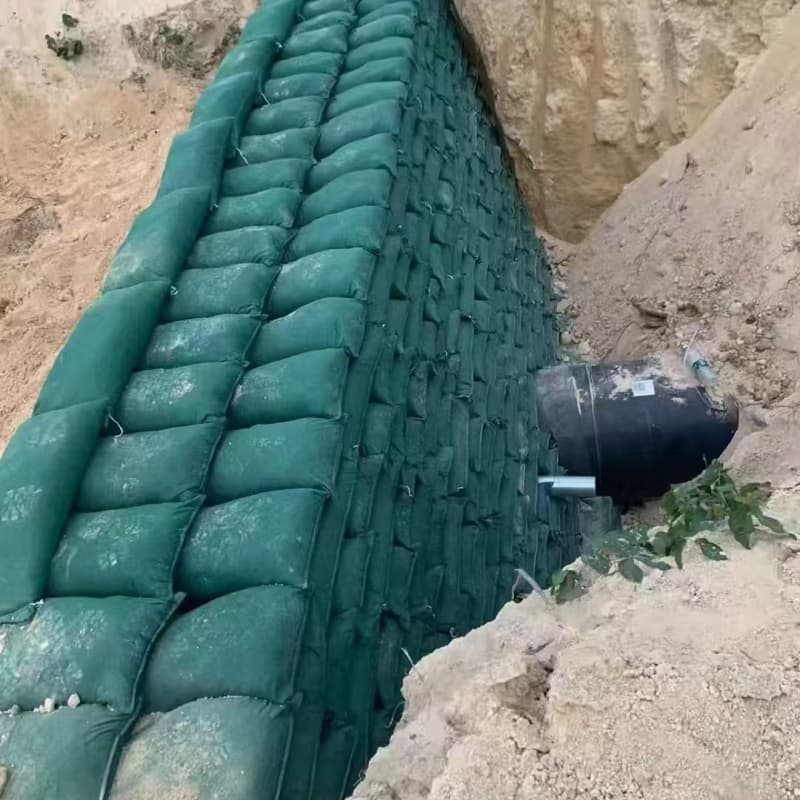
Where excavation is impractical or in-situ containment is part of the remediation strategy, GCL can be installed above, beneath, or around contaminated areas as specified by the engineering design. It may be combined with protective soil layers and other barrier materials to limit contaminant migration.
3. Combine GCL with HDPE Geomembrane
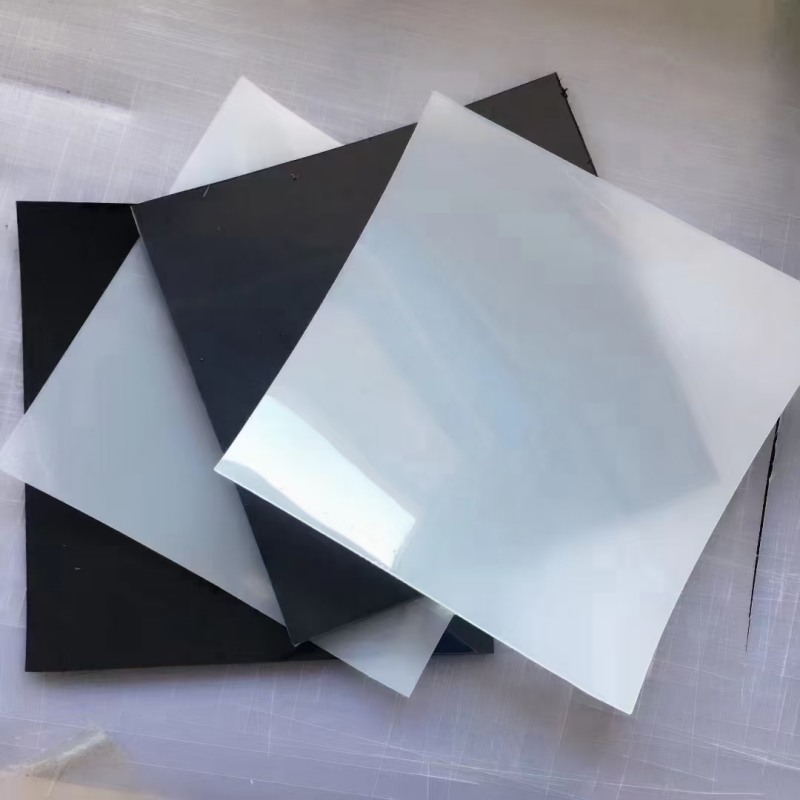
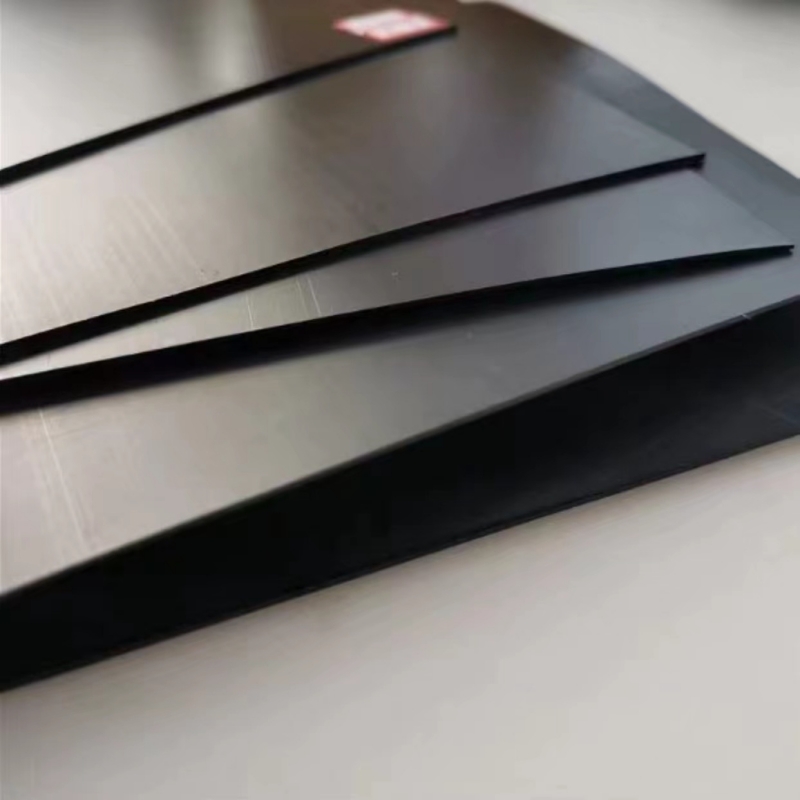
For highly contaminated sites, projects with strict groundwater protection requirements, or applications involving chemically aggressive liquids, a composite barrier incorporating GCL and HDPE geomembrane may be considered.
The HDPE geomembrane provides a continuous barrier, while the GCL contributes a low-permeability clay layer. Their combination can improve overall containment reliability when properly designed, installed, and inspected.
4. Accommodate Certain Subgrade Variations
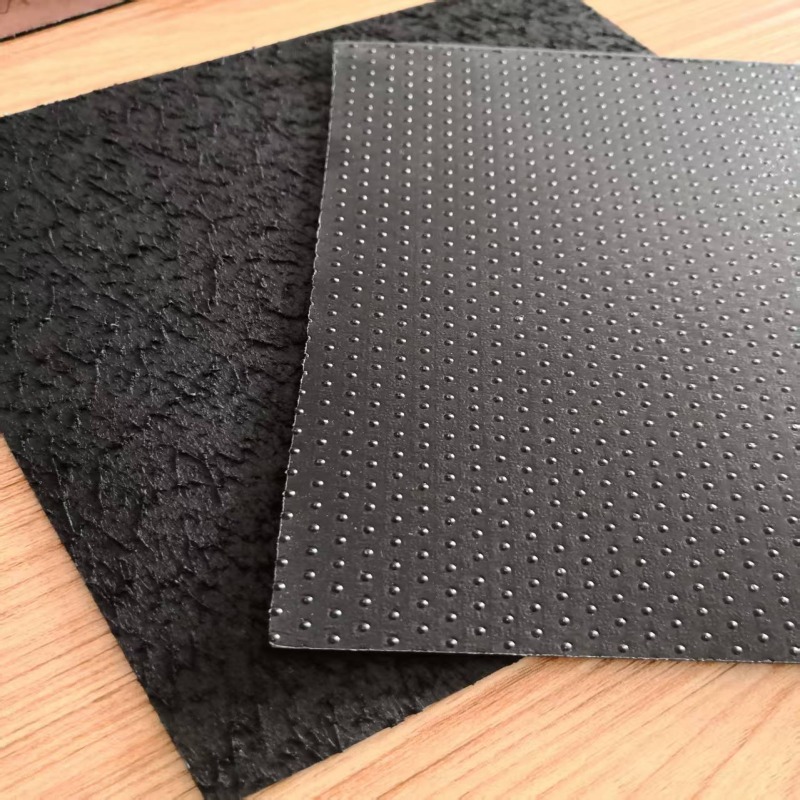
Compared with field-compacted clay liners, factory-manufactured GCLs offer relatively uniform construction and convenient installation. Some needle-punched reinforced products also provide useful internal and interface shear resistance.
However, GCL does not eliminate the need for subgrade preparation, correct panel overlaps, protective cover, or construction quality control. Slope stability and interface shear strength require particular attention on sloping surfaces and in areas subject to differential settlement.
laisser un message
Scan to Wechat/Whatsapp :



 English
 Français
 Deutsch
 Русский
 Español
 Português
 عربي
عربي Tiếng Việt
 Indonesia
 हिन्दी



 IPv6 RÉSEAU PRIS EN CHARGE