
laisser un message
Si vous êtes intéressé par nos produits et souhaitez en savoir plus, veuillez laisser un message ici, nous vous répondrons dès que possible.
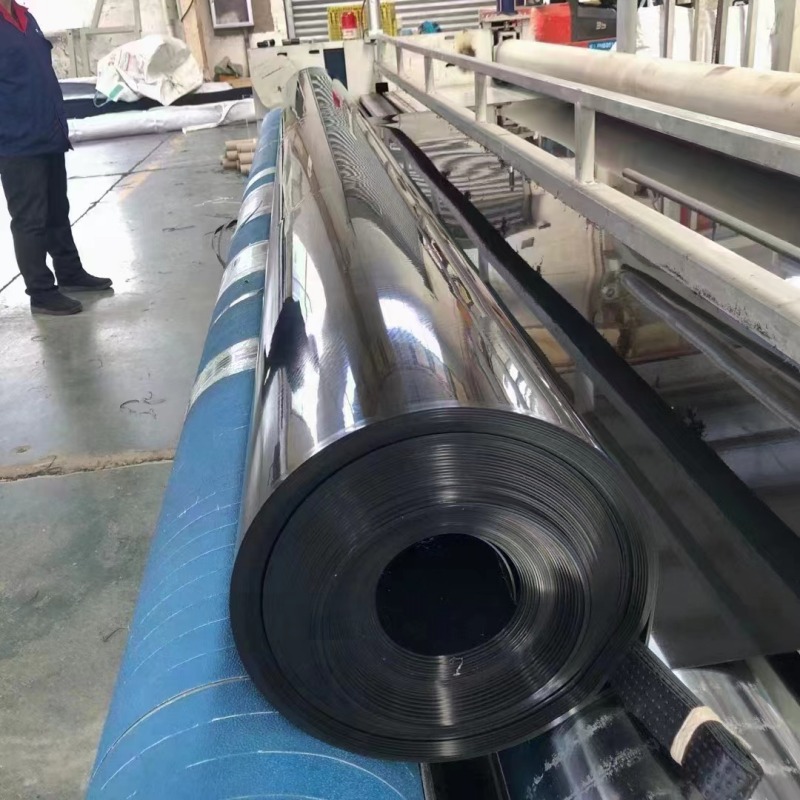
La vidéo ci-dessous présente le processus de chargement des géomembranes en PEHD et ses principales étapes : manutention des rouleaux, disposition optimale dans le conteneur, utilisation efficace de l’espace et protection du produit. Elle illustre clairement la manipulation et le chargement des rouleaux de géomembrane, témoignant de notre souci du détail lors de la manutention et du transport.
Avant le chargement
Avant le début du chargementIl convient de vérifier au préalable les spécifications et les quantités du produit par rapport à la commande et au bon de livraison. Les informations importantes comprennent l'épaisseur, la largeur et la longueur de la géomembrane, le nombre de rouleaux, la quantité totale et le type de produit. Toute exigence particulière concernant l'emballage, l'étiquetage ou le chargement doit également être confirmée à l'avance.
L'aspect et l'emballage des rouleaux de géomembrane doivent également être inspectés. Les rouleaux doivent être correctement enroulés et l'emballage extérieur propre et intact. Tout emballage endommagé, toute déformation ou autre anomalie doit être traité avant le chargement.
Le camion ou le conteneur doit également être soigneusement inspecté. Avant le chargement, le conteneur doit être propre et sec, exempt d'eau stagnante, d'huile, d'arêtes métalliques tranchantes, de clous ou de tout autre objet susceptible d'endommager l'emballage géomembrane. Le plancher et les parois doivent également être en bon état.
Il convient de prévoir un équipement de chargement adapté au poids des rouleaux et aux conditions de chargement. Des chariots élévateurs, des engins de levage ou tout autre équipement de manutention approprié peuvent être utilisés. Cet équipement doit avoir une capacité suffisante et les chocs, compressions et frottements inutiles doivent être évités lors de la manutention.
Lors du chargement : disposez correctement les rouleaux et utilisez l’espace efficacement.
Une fois le chargement commencé, la disposition des rouleaux devient une étape cruciale. L'équipe de chargement doit élaborer un plan de chargement adapté au diamètre, à la largeur et au poids des rouleaux, ainsi qu'aux dimensions du conteneur.
Un chargement efficace ne se résume pas à mettre le plus de rouleaux possible dans le conteneur. Le plan de chargement doit être équilibré. Utilisation de l'espace, stabilité du chargement et protection du produit.
Les rouleaux doivent être disposés systématiquement selon le plan de chargement, en minimisant les espaces vides et en évitant toute compression excessive. Lorsque des produits de spécifications différentes sont chargés ensemble, leur position doit être adaptée à leurs dimensions réelles.
Lors de la manutention, il convient d'utiliser des méthodes de levage et de déplacement appropriées. Les rouleaux ne doivent pas être simplement traînés au sol. Une attention particulière doit également être portée aux points de contact entre les rouleaux et le conteneur. Les arêtes vives, les objets saillants et toute autre source potentielle d'endommagement de l'emballage doivent être évités.
Le cas échéant, des matériaux de protection appropriés peuvent être utilisés en fonction des conditions de chargement réelles.
Pendant le chargement : prévenir les mouvements, les chocs et la contamination
Une fois les rouleaux disposés, la stabilité du chargement doit être soigneusement étudiée.
Lors du transport, les camions et les conteneurs peuvent subir des freinages, des virages et des vibrations. En cas d'écarts excessifs entre les rouleaux ou de mesures d'arrimage insuffisantes, la cargaison risque de se déplacer. Il convient donc d'appliquer des mesures d'arrimage et de protection appropriées en fonction de la situation.
Les rouleaux doivent également être protégés de toute contamination. Bien que la géomembrane en PEHD présente une bonne résistance à l'eau et à de nombreux produits chimiques, il est important de maintenir le matériau propre pendant le transport.
La zone de chargement doit être maintenue raisonnablement propre et la géomembrane ne doit pas être exposée inutilement à la terre, à l'huile, aux produits chimiques ou à d'autres contaminants.
Pour les expéditions à l'exportation, les distances de transport sont souvent longues, ce qui rend l'intégrité de l'emballage et la stabilité du chargement encore plus importantes. Un petit problème d'emballage lors du chargement peut potentiellement s'aggraver lors du transport longue distance.
Après le chargement : procéder à une inspection finale complète
Une fois tous les rouleaux de géomembrane chargés dans le conteneur, le chargement n'est pas encore terminé. Une inspection finale doit être effectuée avant la fermeture du conteneur.
Il convient tout d'abord de vérifier à nouveau le nombre de rouleaux et les spécifications du produit afin de s'assurer qu'aucun produit ne manque ou n'est incorrect. L'état de l'emballage et la disposition générale de la cargaison doivent également être inspectés.
L'inspection finale devrait confirmer :
Les rouleaux sont correctement disposés et stables.
* Il n'y a pas de grands espaces inutiles.
* Aucun rouleau ne risque de bouger pendant le transport.
* Aucun objet pointu n'est en contact avec la cargaison.
* Le conteneur est exempt d'objets inutiles.
* Les étiquettes et les informations d'emballage des produits sont correctes.
Pour les expéditions à l'exportation, des photos et des vidéos peuvent également être prises avant la fermeture du conteneur. Ces enregistrements peuvent montrer l'état général du conteneur, la disposition des rouleaux et l'état final du chargement.
Ces documents peuvent être utiles pour la documentation d'expédition des usines et peuvent également aider les clients à comprendre comment leur cargaison a été chargée.
Fermeture et expédition du conteneur
Une fois que l'inspection finale a confirmé que tous les produits et documents pertinents sont corrects, le conteneur peut être fermé et scellé.
Pour les expéditions à l'exportation, les documents d'expédition et les procédures connexes doivent être complétés conformément aux exigences du prestataire logistique. La liste de colisage, les informations sur les produits, les quantités et les autres documents d'expédition doivent être identiques.
Une fois scellé, le conteneur entre dans la phase de transport. De l'usine au port, puis jusqu'au pays du client, la cargaison peut subir de nombreuses manutentions et un transport longue distance.
C’est pourquoi une préparation adéquate lors de la phase de chargement est un élément important pour garantir un processus de transport sans encombre.
Pourquoi le chargement professionnel est-il important ?
Pour les géomembranes en PEHD, la qualité du produit ne représente qu'une partie du processus d'approvisionnement global.
Même si la géomembrane répond aux normes de qualité requises à sa sortie d'usine, un emballage, une manutention ou un transport inadéquats peuvent affecter l'état de la cargaison avant qu'elle n'atteigne le client.
Un processus de chargement professionnel peut aider :
Protéger le produit
Réduire les chocs, la compression et les dommages inutiles à l'emballage lors de la manutention et du transport.
Améliorer l'utilisation de l'espace
Disposez les rouleaux en fonction de leurs dimensions et optimisez l'utilisation de l'espace disponible dans le conteneur.
Maintenir la stabilité de la cargaison
Un agencement et un arrimage appropriés peuvent contribuer à réduire les mouvements inutiles pendant le transport.
Améliorer l'efficacité du chargement
Une méthode de chargement bien planifiée peut réduire les ajustements répétés et rendre le processus de chargement plus efficace.
Assistance à l'inspection client
Les documents et photos relatifs au chargement peuvent aider les clients à comprendre l'état de leur envoi avant son départ.
Par conséquent, le chargement professionnel ne se limite pas à placer des produits dans un conteneur. Il s'agit d'un lien essentiel entre la fabrication, l'emballage, le contrôle qualité et la gestion logistique.
De notre usine à votre chantier
De la production terminée à la livraison finale, géomembrane en PEHD Le processus comprend plusieurs étapes importantes. Nous accordons une attention particulière non seulement à la qualité du produit, mais aussi aux détails de l'emballage, de la manutention et du transport.
Avec plus de 20 ans d'expérience dans la fabrication de matériaux géosynthétiques, nous fournissons des géomembranes en PEHD et d'autres produits géosynthétiques pour des projets dans différents pays et régions.
Que les produits soient utilisés pour les décharges, les stations d'épuration, les réservoirs, les bassins d'aquaculture ou les projets miniers, notre objectif est de fournir une expérience d'approvisionnement fiable grâce à une production, un emballage et une préparation d'expédition soignés.
De la production en usine à l'emballage soigné, du chargement professionnel à l'expédition, chaque commande bénéficie de toute notre attention aux détails.
laisser un message
Scan to Wechat/Whatsapp :



 English
 Français
 Deutsch
 Русский
 Español
 Português
 عربي
عربي Tiếng Việt
 Indonesia
 हिन्दी



 IPv6 RÉSEAU PRIS EN CHARGE